Single vs double opt-in for authors: which should you use?
· 4 min read
When you set up a reader magnet, one small decision shapes the quality of your whole mailing list: single or double opt-in. It sounds technical, but the choice is simple once you see what each one does, and there is no universally right answer, only the one that fits how you want to grow.
This is a companion to our guide to mailing list consent; here we go deeper on this one decision.
What each one means
Single opt-in adds a reader to your list the moment they submit the signup form. They enter their email, tick the consent box, and they are in. One step, nothing else to do.
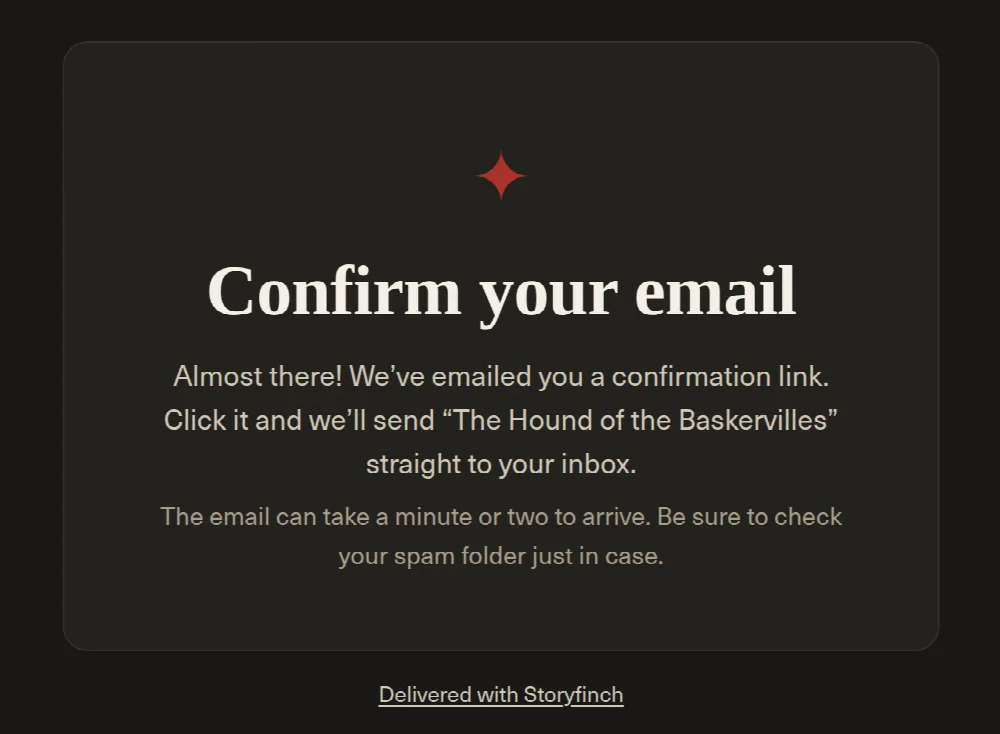
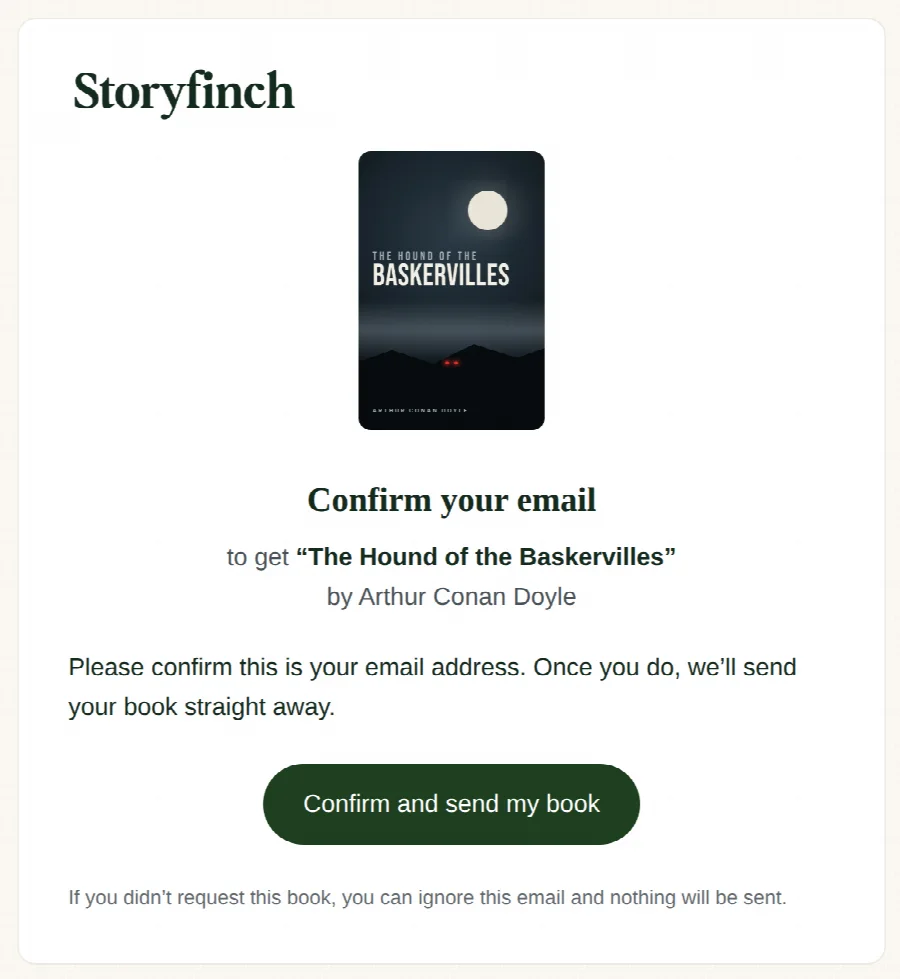
Double opt-in adds one step: after they submit the form, the reader receives an email with a confirmation link, and they only join your list once they click it. That click confirms two things, that the address is real, and that the person who owns it actually asked to join.
The case for single opt-in
Single opt-in loses fewer people. Every extra step between "interested" and "subscribed" costs you some readers, and a confirmation email is one more step where people get distracted, forget, or never see the message. If your main goal is to grow the list as fast as possible from traffic you trust, such as readers arriving from the back of your own books, single opt-in captures more of them.
The downside is quality. Because nothing is verified, you will pick up the occasional mistyped address, and, more rarely, someone entering an address that is not theirs.
The case for double opt-in
Double opt-in produces a cleaner, more engaged list. Confirmed subscribers are real people who took a deliberate second action, so they tend to open and click more, which in turn helps your emails reach inboxes rather than spam folders. It also gives you stronger proof of consent, because you have a record that the address owner confirmed.
The cost is the people who never click the confirmation link. Some genuinely wanted in but got distracted, and you lose them. The confirmation email can also land in spam, which compounds the loss.
Which should you choose?
A few simple guidelines cover most authors:
- Lean towards single opt-in if your signups come from sources you already trust, chiefly readers clicking through from the back of your books, and you want maximum growth with minimum friction.
- Lean towards double opt-in if you are gathering signups from wider or colder sources such as group promotions and social media, if deliverability matters a lot to you, or if you want the strongest possible consent record. Readers in the UK and EU in particular make double opt-in a sensible default.
- When in doubt, double opt-in is the safer long-term choice. A slightly smaller list of confirmed, engaged readers is usually worth more than a larger list that drags down your open rates.
Whichever you pick, the fundamentals from our consent guide still apply: clear wording, an unticked box, and a record of what each reader agreed to.
How Storyfinch handles it
Storyfinch supports an email verification step, so you can run double opt-in when you want the extra confirmation, or leave it off for a frictionless single opt-in. Either way, it records the consent wording and timestamp for every reader, so your proof of consent is the same regardless of which route you choose.
Frequently asked questions
Is double opt-in required by law?
Not usually. GDPR requires clear, recorded consent but does not specifically mandate the confirmation click. Double opt-in is a way to make your consent stronger and your list cleaner, not a legal box you must tick.
Will double opt-in really shrink my list?
It will remove some signups who never confirm, yes. But those people were unlikely to open your emails anyway, so what you lose in numbers you tend to gain in engagement and deliverability.
Can I switch later?
Yes. Many authors start with single opt-in for simplicity and move to double opt-in later if they start pulling signups from colder sources or notice deliverability slipping.
Grow your list with your next book
Give readers a free book and turn them into subscribers, with secure delivery and consent built in.
Create your free accountFree plan · No card required · Set up in minutes